
SMILE VIEW INVISALIGN
Gangnam Invisalign,
Rather than invisible correction
First, I look at how to move.
Before the device,
We look at how the teeth need to move.
The reasons for considering Invisalign vary from person to person.
If you are concerned about the braces being noticeable, or if you are self-conscious about the alignment of your front teeth,
You might want to change your overall teeth and smile.
However, Invisalign is not simply a treatment involving wearing transparent devices.
It is an orthodontic treatment that checks the current tooth alignment and occlusion and plans which teeth to move and how.
ABOUT INVISALIGN
Invisalign,
What kind of orthodontic treatment is it?
Invisalign involves wearing clear braces in stages.
It is an orthodontic treatment that moves teeth.
Unlike conventional bracket orthodontics, it is characterized by the fact that the patient can attach and detach the device themselves.
However, you do not choose Invisalign simply because the device is transparent.
Check the current alignment and occlusion, and necessary tooth movements.
First, a process is required to determine whether treatment with Invisalign can be planned.
CLEAR
Transparent braces
In the noticeable aspect of the orthodontic device
You can consider this if you feel burdened.
REMOVABLE
Detachable device
In situations such as eating and brushing teeth
You can attach and detach the device directly.
Planned Movement
Planned tooth movement
Check the current condition of your teeth
We plan gradual tooth movement.
Invisalign,
Are you looking into this because of such concerns?
Front teeth alignment
Crooked front teeth or
When you are concerned about your tooth alignment.
occlusion
Along with tooth alignment, the state of occlusion
Cases where verification is required.
However, just because you want clear braces
Invisalign is not suitable for all cases.
Current dental arch and occlusion,
After confirming the necessary range of tooth movement, etc.
Determine the treatment method.
YOUR CONCERNS
space between teeth
The space between the teeth
When you are concerned about a smile.
Correction device
Bracket-shaped orthodontic device
In cases where it is burdensome.
Overall teeth
Not only the front teeth, but the entire
When a change in tooth alignment is necessary.
ORTHODONTIC DIAGNOSIS
Before choosing an orthodontic appliance
We will start by looking at the teeth.
The important thing in an Invisalign consultation is the question: "Can I get clear braces?"
It is not just questions.
You need to check how the teeth are currently arranged, the state of the occlusion, and which teeth need to be moved in which direction.
SmileView is based on the diagnostic data required for the current state.
We provide consultation on the direction of orthodontic treatment.
YOUR OPTIONS
Invisalign or traditional braces, which is better?

DIAGNOSIS
No single method is better for all patients.
The characteristics of the orthodontic appliances differ, as do the current alignment and occlusion, and the necessary tooth movement.
The methods to consider may vary depending on the patient's lifestyle and other factors.
ALIGNMENT
tooth alignment
My current teeth
How it is arranged
I will check.
BITE
occlusion
upper and lower teeth
Let's take a look at how they interlock.
MOVEMENT
tooth movement
What kind of movement in which tooth
We will check if it is necessary.
SMILE
smile
Not only straightness after correction
The way the teeth show when smiling
We consider it together.

Invisalign
transparent detachable device
It is a step-by-step orthodontic treatment.
Transparent device
The patient removes it themselves.
Phased device replacement
Wear and care are important

General orthodontics
Attaching orthodontic devices to the teeth
This is a method for performing tooth movement.
Use of fixed orthodontic devices
The patient does not remove it on their own.
Various tooth movements can be considered.
Regular checks and adjustments
INVISALIGN PROCESS
Invisalign,
This is how we proceed from diagnosis to treatment.
PROCESS
01 CONSULTATION
Orthodontic consultation
Currently uncomfortable or
I will talk about the parts I want to change.
02 DIAGNOSIS
Check current dentition and occlusion
Tooth alignment and occlusion, etc.
Identify the necessary parts for the treatment plan.
03 TREATMENT PLAN
Tooth movement plan
Based on the current state
We plan tooth movement and treatment direction.
04 ALIGNER
Application of correction device
According to the treatment plan
I use clear aligners.
05 CHECK
Check for tooth movement
During the medical process
Check the status of tooth movement.
06 RETENTION
Post-orthodontic maintenance
After orthodontic treatment, the changed teeth
Maintenance is required to maintain it.
ORTHODONTIC CARE
Invisalign, too
After all, it's orthodontic treatment.
A transparent device does not replace a treatment plan.
Check the current alignment and occlusion,
Plan the necessary tooth movement,
Checking for changes during the treatment process.
SmileView prioritizes the fundamentals of orthodontic treatment over devices.

Chief Director Kim Han-gyeol
Graduated from Yonsei University College of Dentistry
Yonsei University Graduate School Department of Correction
Invisalign certified
Regular member of the Korean Association of Orthodontists
FAQ
YOUR ORTHODONTIC PLAN
Before deciding on Invisalign
Starting with the movement needed for my teeth.
Just because you want a transparent device
With Invisalign from the start
There is no need to decide on a treatment method.
I wonder if only the front teeth need to be moved.
Whether a change in the overall dentition is necessary,
Is there anything that needs to be checked regarding the occlusion?
First, check the current condition of your teeth.
Consult with me about possible orthodontic treatment options.
YOUR OPTIONS
Invisalign and conventional braces,
Which would be better?
One way is
It is not better for all patients.
The characteristics of the orthodontic devices are also different,
Current dental arch and occlusion,
Necessary tooth movement,
Depending on the patient's lifestyle, etc.
Methods to consider
It may change.
transparent detachable device
It is a step-by-step orthodontic treatment.
Invisalign

Transparent device
The patient removes it themselves.
Phased device replacement
Wear and care are important
The important thing is
It is not about which device looks better
In my teeth
It is about what treatment methods can be considered.
Attaching orthodontic devices to the teeth
This is a method for performing tooth movement.
General orthodontics

Use of fixed orthodontic devices
The patient does not remove it on their own.
Various tooth movements can be considered.
Regular checks and adjustments
Chief Director Kim Han-gyeol
Graduated from Yonsei University College of Dentistry
Yonsei University Graduate School Department of Correction
Invisalign certified
Regular member of the Korean Association of Orthodontists

ORTHODONTIC CARE
Invisalign, too
After all, it's orthodontic treatment.
transparent device
It does not replace a treatment plan.
Check the current alignment and occlusion,
Plan the necessary tooth movement,
Checking for changes during the treatment process.
Smile View is
We prioritize the basics of orthodontic treatment over devices.
YOUR ORTHODONTIC PLAN
Before deciding on Invisalign
Starting with the movement needed for my teeth.
투명한 장치를 원한다고 해서
처음부터 인비절라인으로
치료방법을 결정할 필요는 없습니다.
앞니만 이동하면 되는지,
전체적인 치열 변화가 필요한지,
교합에서 확인해야 할 부분은 없는지.
현재 치아 상태를 먼저 확인하고
나에게 고려할 수 있는
교정치료 방향을 상담해보세요.
Plan before device.
SMILE VIEW INVISALIGN
인비절라인 상담하기
→
REAL ORTHODONTIC VIEW
교정 전후만큼
어떻게 움직였는지도 확인해보세요.
Orthodontic treatment cases are judged solely by how straight the front teeth have become
It is difficult to explain.
What part was your concern at first,
What the current dental alignment and occlusion were like,
What tooth movement was planned,
How it changed after treatment
Check it out together.

RESULT
[explanation]
PLAN
[explanation]
DIAGNOSIS
[explanation]
CONCERN
[explanation]
RESULT
[explanation]
PLAN
[explanation]
DIAGNOSIS
[explanation]
CONCERN
[explanation]
RESULT
[explanation]
PLAN
[explanation]
DIAGNOSIS
[explanation]
CONCERN
[explanation]
INVISALIGN PROCESS
Invisalign,
This is how we proceed from diagnosis to treatment.
PROCESS
01 CONSULTATION
Orthodontic consultation
Currently uncomfortable or
I will talk about the parts I want to change.
02 DIAGNOSIS
Check current dentition and occlusion
Tooth alignment and occlusion, etc.
Identify the necessary parts for the treatment plan.
03 TREATMENT PLAN
Tooth movement plan
Based on the current state
We plan tooth movement and treatment direction.
04 ALIGNER
Application of correction device
치료계획에 따라
투명교정장치를 사용합니다.
05 CHECK
치아 이동 확인
진료 과정에서
치아 이동 상태를 확인합니다.
06 RETENTION
교정 후 유지관리
교정치료 후에는
변화된 치열을 유지하기 위한 관리가 필요합니다.
ORTHODONTIC DIAGNOSIS
Before choosing an orthodontic appliance
We will start by looking at the teeth.
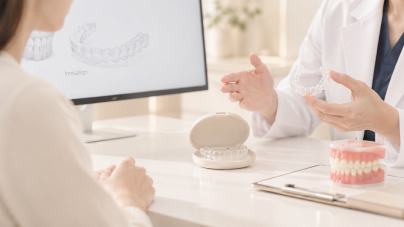
DIAGNOSIS
ALIGNMENT
tooth alignment
My current teeth
Check how it is arranged.
BITE
occlusion
upper and lower teeth
Let's take a look at how they interlock.
MOVEMENT
tooth movement
On which tooth
We examine what kind of movement is needed.
SMILE
smile
Not only straightness after correction
We also consider how the teeth are visible when smiling.
What is important in an Invisalign consultation is
Can I get clear braces?
It is not just questions.
How the teeth are currently arranged, and
What is the condition of the occlusion, and
Which tooth in which direction
You need to check if you need to move.
Smile View is
Based on the diagnostic data required for the current condition
We provide consultation on the direction of orthodontic treatment.
ABOUT INVISALIGN
Invisalign,
What kind of orthodontic treatment is it?
Invisalign
Wearing clear braces in stages
It is an orthodontic treatment that moves teeth.
Unlike conventional bracket orthodontics
It is characterized by the fact that the patient can attach and detach the device themselves.
However, just because the device is transparent
It is not about choosing Invisalign.
Current dental arch and occlusion,
Check necessary tooth movements, etc.
Can I plan treatment with Invisalign?
A judgment process is required first.
CLEAR
Transparent braces
You can consider this if you are concerned about the braces being noticeable.
CLEAR
Transparent braces
In the noticeable aspect of the orthodontic device
You can consider this if you feel burdened.
REMOVABLE
Detachable device
In situations such as eating and brushing teeth
You can attach and detach the device directly.
Planned Movement
Planned tooth movement
Check the current condition of your teeth
We plan gradual tooth movement.
The reason for considering Invisalign
It varies from person to person.
If you are concerned about the braces being noticeable,
If you are concerned about the alignment of your front teeth,
The overall teeth and smile
You might want to change it.
However, Invisalign is
It is not a treatment that simply involves wearing a transparent device.
Check the current tooth alignment and occlusion
Which teeth to move and how
This is planned orthodontic treatment.

SMILE VIEW INVISALIGN
Gangnam Invisalign,
Rather than invisible correction
First, I look at how to move.
FAQ
YOUR CONCERNS
인비절라인,
이런 고민으로 알아보고 계신가요?
다만, 투명교정을 원한다고 해서
모든 경우에 인비절라인이 적합한 것은 아닙니다.
현재 치열과 교합,
필요한 치아 이동 범위 등을 확인한 후
치료방법을 결정합니다.
앞니 배열
Crooked front teeth or
When you are concerned about your tooth alignment.
space between teeth
The space between the teeth
When you are concerned about a smile.
Overall teeth
Not only the front teeth
When a change in the overall tooth alignment is necessary.
occlusion
Along with tooth alignment
Cases where the occlusal condition also needs to be checked.
Correction device
Bracket-shaped orthodontic device
In cases where it is burdensome.

